
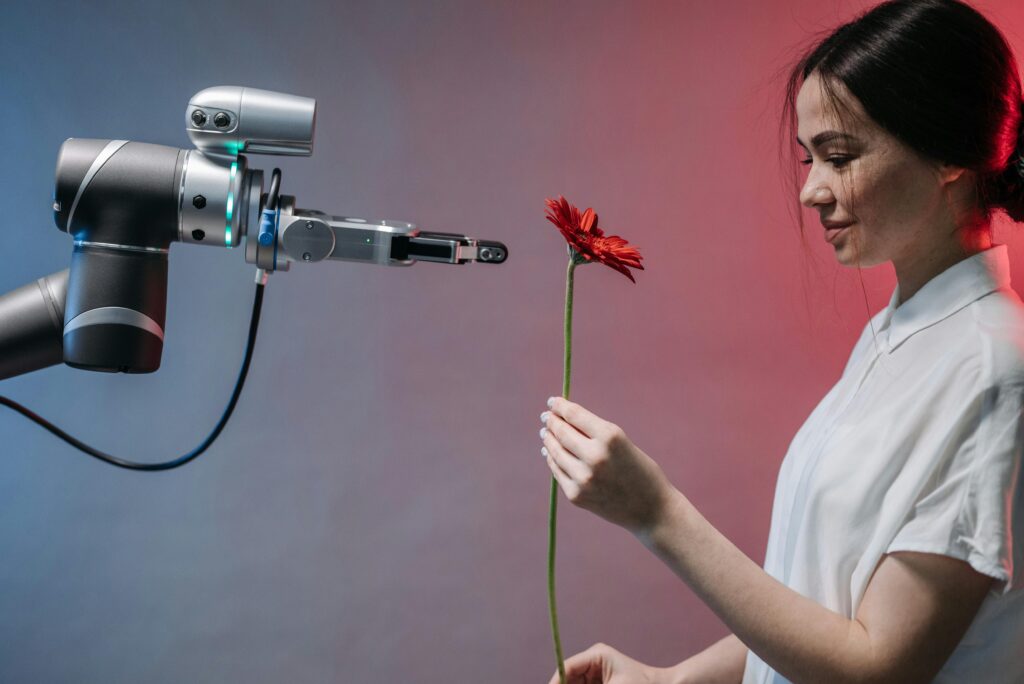
People often ask: Is AI better, or is Human SI better? Which should we choose?
There are usually two camps — one made up of interpreters, the other of AI software providers. Each has its bias: interpreters emphasize the value of human expertise, while AI companies highlight the power of their technology. At the end of the day, both are trying to win you over.
Here, I’m writing from a user’s perspective. Before you decide, be clear on a few basics:
· What’s the objective of your event?
· Is your audience open to AI?
· Is it a formal conference or a more informal meeting?
· And of course — what’s your budget?
Once you answer these, the choice becomes easier.
Human SI
Human interpreters bring authenticity, nuance, and accountability. You can trust them to take responsibility for their work and adapt to context.
They are the standard choice for high-level conferences, mission-critical discussions, arbitration hearings, and other sensitive events.
Does this mean AI can’t be used in such settings? Not necessarily — it depends on whether you and your audience are ready to embrace it.
AI SI
AI interpretation doesn’t require sourcing or managing interpreters, which saves both time and cost. However, it does require technical setup and support.
Key Considerations
For AI interpretation, three essentials matter above everything else:
1. Clear, audible audio feed — The system is only as good as what it hears. Good microphones and a quiet environment are critical for accuracy.
2. Stable internet connection — Whether wired or Wi-Fi, the connection must be reliable. Any drop or weak bandwidth will immediately affect interpretation.
3. Translation memory and glossary — Feeding the platform with prepared terminology (names, acronyms, industry terms) greatly improves accuracy and consistency.
When these are in place, AI SI can deliver excellent results — and in many cases, it is the more cost-effective solution.
⚠️ One limitation: AI struggles when speakers mix several languages within the same sentence. The output often becomes incoherent.
Accuracy
Neither option is perfect.
· With human interpreters, you need to ensure they have the right certifications and experience. Credentials matter, but the interpreter must also fit the specific context of your event.
· With AI, the platform you choose makes a big difference. The right glossary and translation memory can significantly improve quality. Names are a common weak point for AI, but this can be mitigated if names are pre-loaded into the software.
When AI Has the Edge
AI interpretation shines in last-minute or large-scale events.
Example: You have an overseas event in two days requiring interpretation into 12 languages. Human SI would mean 24 interpreters (two per language), plus flights, logistics, and availability — realistically impossible.
In such cases, AI interpretation becomes the only viable solution.
Final Thought
Both Human and AI SI have their strengths and limitations. The right choice depends on your event’s objectives, audience, and budget.
If you’re still unsure which approach to take, talk to us — we’ll help you find the most practical solution for your event.